Most people think slot car racing died in the 1970s. Dusty plastic tracks gathering garage cobwebs. Cheap toy sets that spark out after three laps. But here’s the problem: they’ve never experienced interactive slot car racing. Modern systems aren’t child’s play—they’re precision-engineered, digitally enhanced, and shockingly immersive. And if you’re still dismissing them as retro novelties, you’re missing a hands-on hobby with serious depth—and dopamine.
Why Traditional Slot Car Sets Fail Modern Enthusiasts
Old-school slot cars run on analog circuits—fixed speed, no feedback, zero adaptability. You throttle hard, the car flies off. Ease up, and it crawls. There’s no nuance. Worse, track layouts are rigid. Snap together a few curves and straights, and that’s your “racecourse” for life. Boring? Absolutely.
And let’s be honest: kids today expect interactivity. They’ve grown up with VR headsets and smart controllers. Sliding a plastic car down a groove with zero sensory feedback feels like playing checkers in a TikTok world. The disconnect isn’t just technological—it’s psychological.
How to Build a True Interactive Slot Car Racing System (Without Going Broke)
Forget plug-and-pray toy store kits. Real engagement comes from blending analog control with digital intelligence. Here’s how to do it right:
Select a Digital-Ready Chassis Platform
Start with brands like Scalextric ARC or Carrera Digital 132. These support lane-changing, pace regulation, and wireless controller pairing. Your hand controls matter less than the car’s ability to “talk” to the track.
Integrate App-Based Race Management
Modern systems sync to iOS or Android apps. You can tweak acceleration curves, set lap timers, even simulate weather effects that alter grip dynamically. This isn’t gimmickry—it’s adaptive difficulty that keeps races competitive, whether you’re 8 or 80.
Customize Tracks Like a Real Circuit Designer
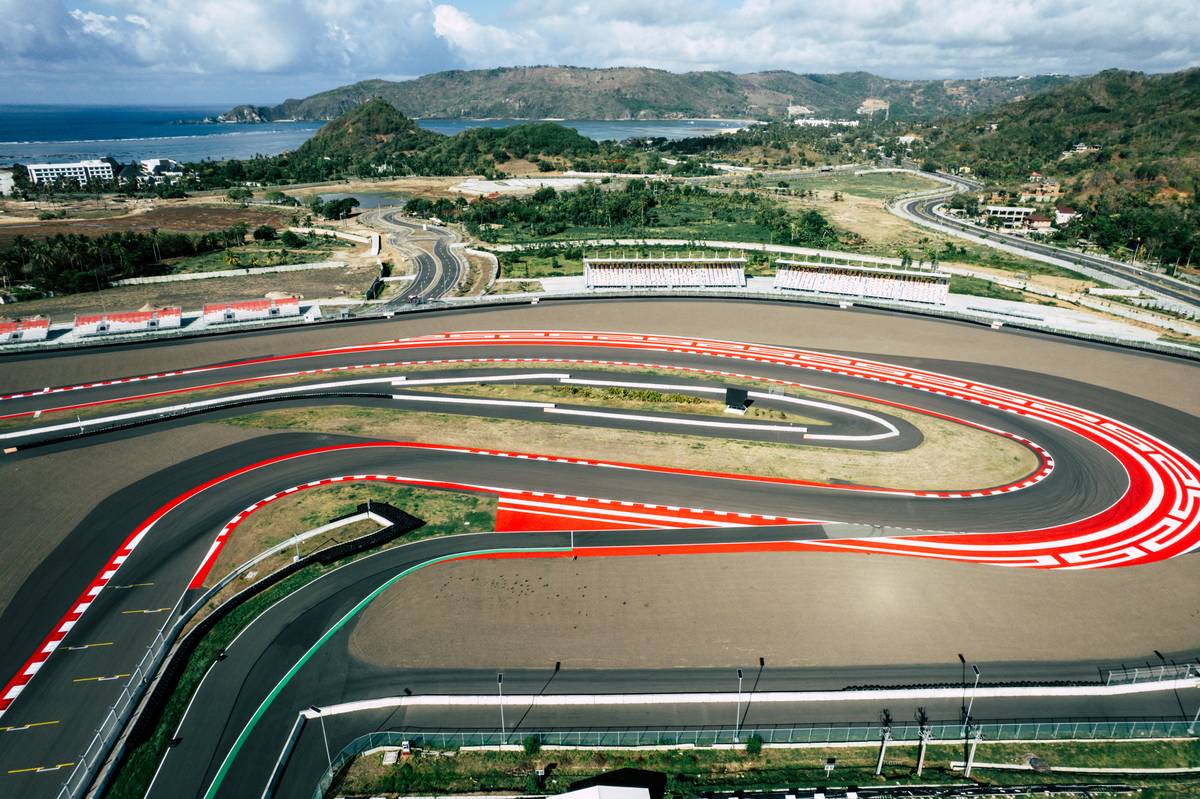
Ditch pre-molded loops. Use modular track pieces with magnetic connectors and elevation adapters. Add tunnels with LED lighting, pit lanes with sensor triggers, or banked turns modeled after Monaco. The more tactile and variable your layout, the deeper the immersion.
| System Type | Upfront Cost | Interactivity Level | Expandability |
|---|---|---|---|
| Analog Starter Set | $40–$70 | Low (basic throttle only) | Limited (same-brand pieces only) |
| Digital Base System | $150–$250 | Medium (lane change, basic app) | Moderate (modular but proprietary) |
| Fully Interactive Setup | $300+ | High (real-time telemetry, AI opponents, custom rules) | Extensive (3D-printable parts, open APIs) |
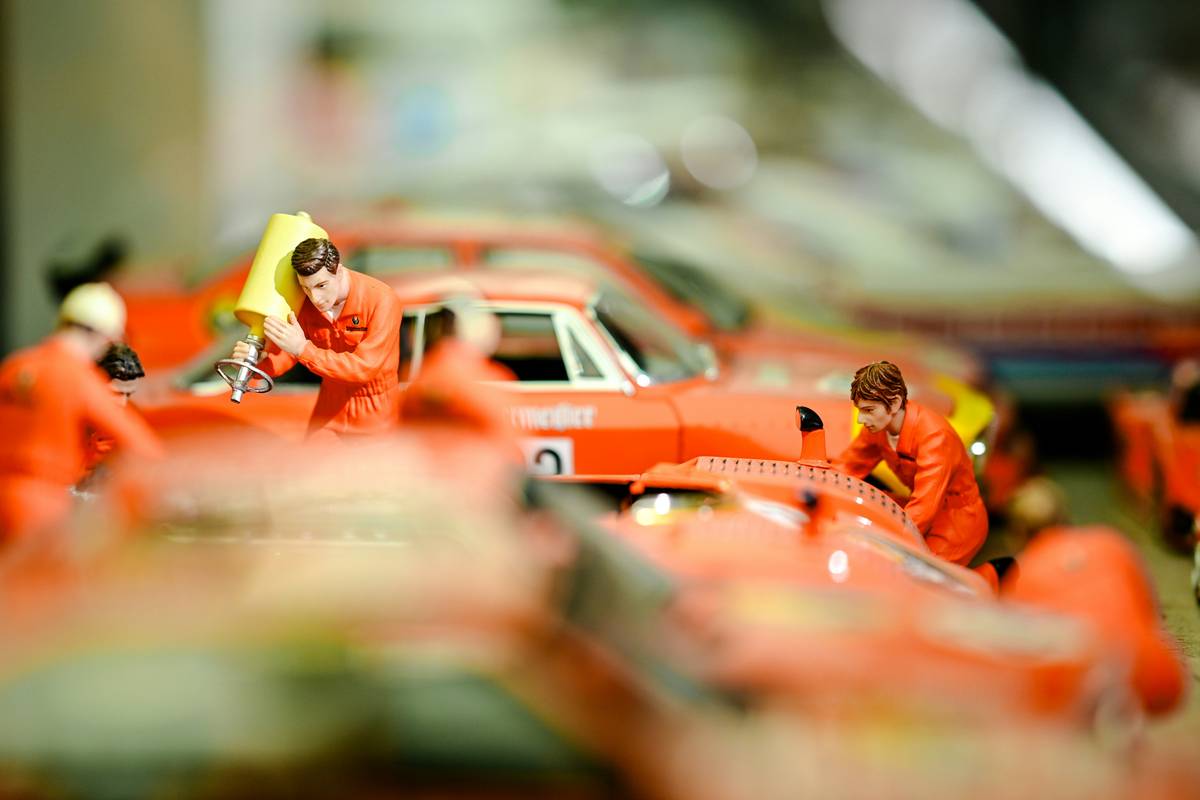
The Industry Secret: It’s Not About Speed—It’s About Flow
Here’s what manufacturers won’t tell you: the most addictive slot car systems don’t maximize velocity. They optimize flow state. Think about it—when was the last time you lost track of time driving a digital circuit? Probably during a race where every turn demanded micro-adjustments, where braking zones mattered, and overtaking required timing, not just mashing the trigger.
Top-tier hobbyists now use gyro-stabilized cars with adjustable magnet downforce—not to go faster, but to feel the track. Some even embed vibration motors in controllers that pulse when tires lose traction. That’s not toy engineering. That’s haptic storytelling. And it’s why interactive slot car racing is quietly becoming the gateway hobby for future engineers, designers, and sim racers.
Frequently Asked Questions
Is interactive slot car racing suitable for adults?
Absolutely. Modern systems offer deep customization, real-time telemetry, and multiplayer modes that challenge even seasoned sim racers. It’s a tactile counterbalance to screen-based gaming.
Can I integrate my existing analog track?
Partially. Some digital systems include hybrid power bases that run analog cars—but you’ll lose interactivity features like lane changing and app control unless you upgrade the vehicles too.
How much space do I need?
A compact 6’x4’ layout fits in most basements or spare rooms. With vertical stacking and tunnel modules, you can double usable track length without expanding footprint.