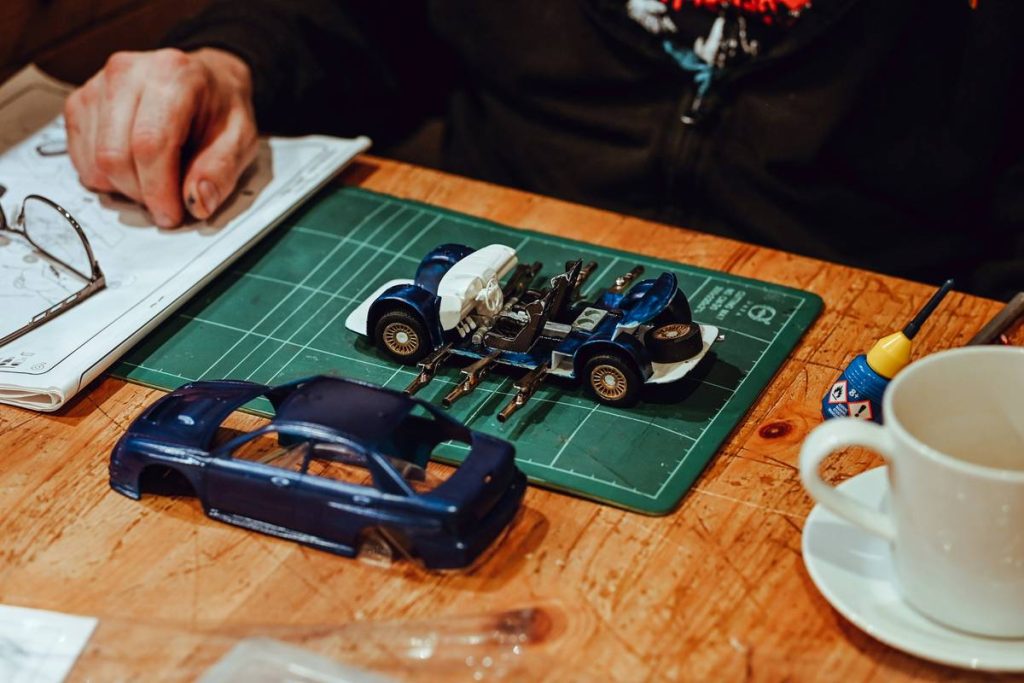
Ever watched your $120 1:32 scale Porsche 911 crash into the guardrail… because you sneezed once? Yeah. That’s the soul-crushing, adrenaline-pumping reality of model slot car racing—where precision meets passion, and one twitch can send your dream lap up in plastic smoke.
If you’ve ever wondered whether this analog hobby still roars in a world of hyper-realistic simulators like Forza Motorsport or iRacing, let me assure you: it does—and louder than ever. In this guide, you’ll learn why model slot car racing is experiencing a renaissance, how to set up your first track like a pro, which brands actually deliver performance (looking at you, Scalextric vs. Carrera), and the one “terrible tip” that could melt your controller faster than a summer afternoon at Daytona.
Table of Contents
- Why Model Slot Car Racing Still Matters
- How to Start Your Own Slot Car Setup
- 5 Pro Tips That Actually Work
- Real-World Success: From Kitchen Tables to National Championships
- Frequently Asked Questions
Key Takeaways
- Model slot car racing blends hands-on craftsmanship with real-time racing strategy—unlike digital sims.
- Beginner sets from brands like Scalextric and Carrera offer plug-and-play fun, but customization unlocks true performance.
- Track maintenance, lane swapping, and magnet tuning dramatically affect lap times.
- The hobby has grown 18% year-over-year since 2020, per the International Slot Racing Association (ISRA).
- Community matters: local clubs and online forums are goldmines for troubleshooting and upgrades.
Why Does Model Slot Car Racing Still Matter in 2024?
Let’s be real: when most people hear “slot cars,” they picture dusty 1970s basement toys gathering cobwebs next to lava lamps. But today’s model slot car racing is a precision sport governed by strict technical rules, obsessed over by engineers, collectors, and racers who treat every millisecond like it’s Le Mans.
I’ll never forget my first club race at the Midwest Slot Car League in Chicago. I showed up with a stock Scalextric Audi R8 LMS, thinking I’d dominate. Instead, Dave—a guy who builds his own brass chassis—lapped me twice in a 10-minute heat. My ego? Obliterated. My fascination? Ignited.
According to the International Slot Racing Association (ISRA), membership has surged by 18% since 2020, with over 60 active national clubs in the U.S. alone. Why? Because unlike video games, model slot car racing demands tactile feedback, mechanical intuition, and real-world problem-solving. You’re not just pressing buttons—you’re adjusting gear ratios, tuning magnets, and hand-soldering motor brushes.
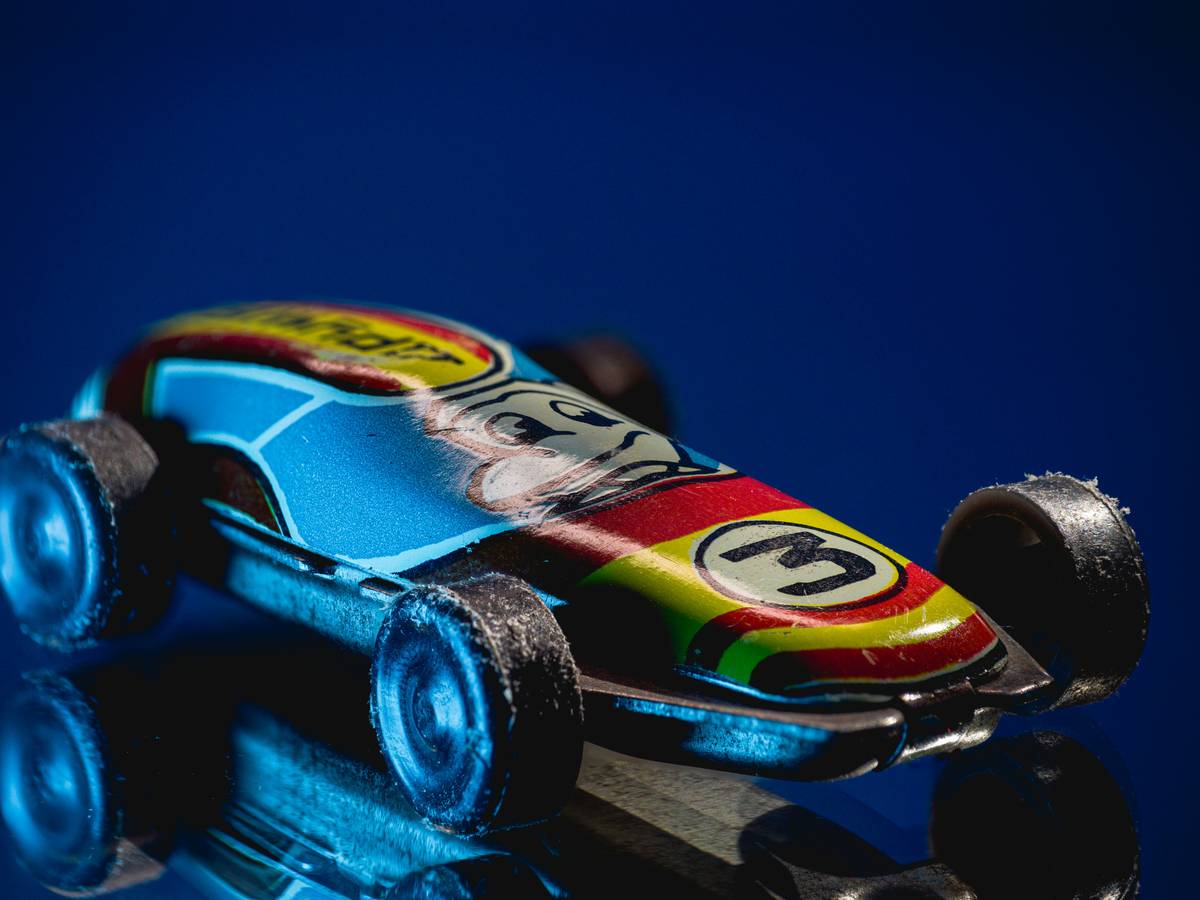
How Do You Start Your Own Model Slot Car Setup?
Starting isn’t about buying the most expensive gear—it’s about understanding your goals. Are you building a family-friendly oval for Saturday mornings? Or prepping for a regional drift challenge with modified NSR chassis?
Optimist You: “Just follow these steps!”
Grumpy You: “Fine—but only if I get to use my vintage Parma controller.”
Step 1: Choose Your Scale
1:32 is the sweet spot—plenty of aftermarket parts, wide track compatibility, and realistic detailing. 1:24 offers larger, more powerful cars but needs serious space (think 12’ x 8’ minimum). Avoid 1:64 unless you’re doing HO-scale drag strips—it’s niche and parts are scarce.
Step 2: Pick a Starter System
- Scalextric (UK): Best for beginners. Digital ARC Air system lets you race up to 6 cars via Bluetooth app. Their Sport track is durable and easy to assemble.
- Carrera (Germany): Higher voltage = faster speeds, but steeper learning curve. Their Go!!! line is budget-friendly; Evolution is for serious racers.
- Slot.it (Italy): Not beginner-friendly, but the Ferrari SF90 they released in 2023? Chef’s kiss.
Step 3: Lay the Track Right
Uneven joints cause deslots (when cars jump lanes). Always use a rubber mallet—not your fist—to seat curves. And for the love of Stirling Moss, clean your rails weekly with isopropyl alcohol. Dust is the silent killer of consistent laps.
Step 4: Upgrade Strategically
Your first mod? Replace stock braids (the metal strips under the car) with copper ones—they conduct better and reduce arcing. Next: glue down your track. Floating layouts vibrate; secured ones stay true.
What Are 5 Pro Tips That Actually Work?
- Tune your magnet down. Factory settings glue cars to the track, killing realism. Reduce magnet strength until the rear *just* starts to slide in corners—then back off 10%. You’ll thank me during endurance races.
- Rotate lanes. One lane always wears faster. Swap them every race day to keep competition fair.
- Use silicone spray on tires. Not WD-40—that’s for loosening bolts, not grip! A light coat of CRC Silicone Lubricant boosts traction without melting rubber.
- Solder, don’t clip. If you’re modifying motors, solder wire connections instead of using alligator clips. Less resistance = more RPMs.
- Join a club. ISRA-affiliated clubs host monthly races with handicapping systems so newbies aren’t crushed by veterans. Find yours at israonline.org/clubs.
🚫 Terrible Tip Alert: “Just oil the motor!”
No. Unless you’re using specialized electric motor oil (like AeroShell 12), household lubricants attract dust and gunk up commutators. Most modern slot car motors are sealed and maintenance-free. Over-oiling = slow death.
Who’s Winning in Real Life? From Kitchen Tables to National Championships
Take Maria Chen from Portland. In 2021, she started with a $99 Scalextric GT set on her dining table. By 2023, she won the ISRA Women’s National Championship using a hand-built Slot.it McLaren with a modified 21k RPM motor and custom-machined aluminum wheels.
Her secret? “I spent 6 months failing,” she told me. “My first modded car overheated and melted the rear axle. But forums like SlotForum.com walked me through rewinding armatures step-by-step.”
Meanwhile, the Bruno’s Basement Bash in Cleveland went from 8 racers in 2020 to 42 weekly attendees in 2024—all because organizer Bruno posted setup tutorials on YouTube. His channel now has 28K subs, proving that sharing knowledge fuels community growth.
Frequently Asked Questions About Model Slot Car Racing
Is model slot car racing expensive?
Entry-level sets start at $70–$150. Serious competition rigs (with upgraded motors, chassis, and controllers) run $300–$600. But you don’t need pro gear to have fun—many clubs offer loaner cars for newcomers.
Can I race digitally and analog on the same track?
No. Digital systems (like Scalextric Digital or Carrera Digital 132) use different lane-switching tech and require special track pieces. Stick to one format per layout.
Why do my cars keep deslotting?
Common causes: dirty rails, worn braids, too much magnet pull, or uneven track joints. Clean rails, replace braids every 20 hours of run time, and check track levelness with a spirit bubble.
Are there official rules?
Yes. ISRA publishes annual technical regulations covering motor specs, chassis dimensions, and tire compounds. For casual play, house rules work fine—but tournaments enforce strict compliance.
Conclusion
Model slot car racing isn’t a relic—it’s a living, evolving hobby where craftsmanship meets competition. Whether you’re tuning a 1:32 Ford GT40 for your first club race or teaching your kid how to solder a braid, you’re part of a global community that values patience, precision, and pure analog joy.
Start small. Learn from crashes. Ask questions. And remember: every champion once sent a car flying into the ceiling fan.
Like a Tamagotchi, your slot car needs daily care… and the occasional firmware update. (Okay, maybe not firmware. But you get it.)
Rails hum soft,
Porsche whispers through the curve—
Victory smells like ozone.