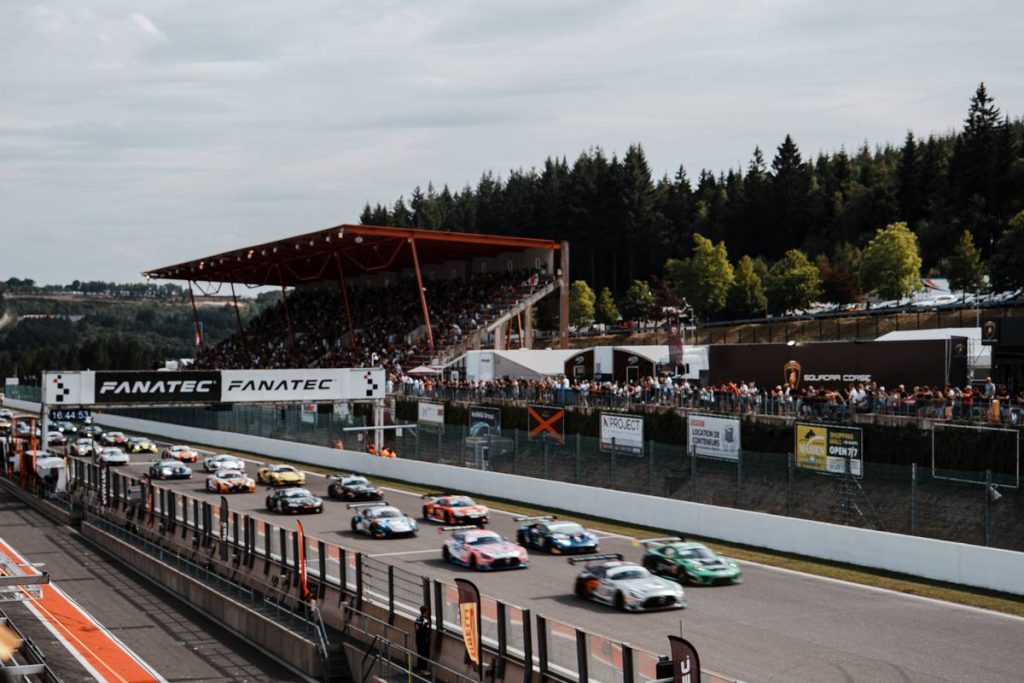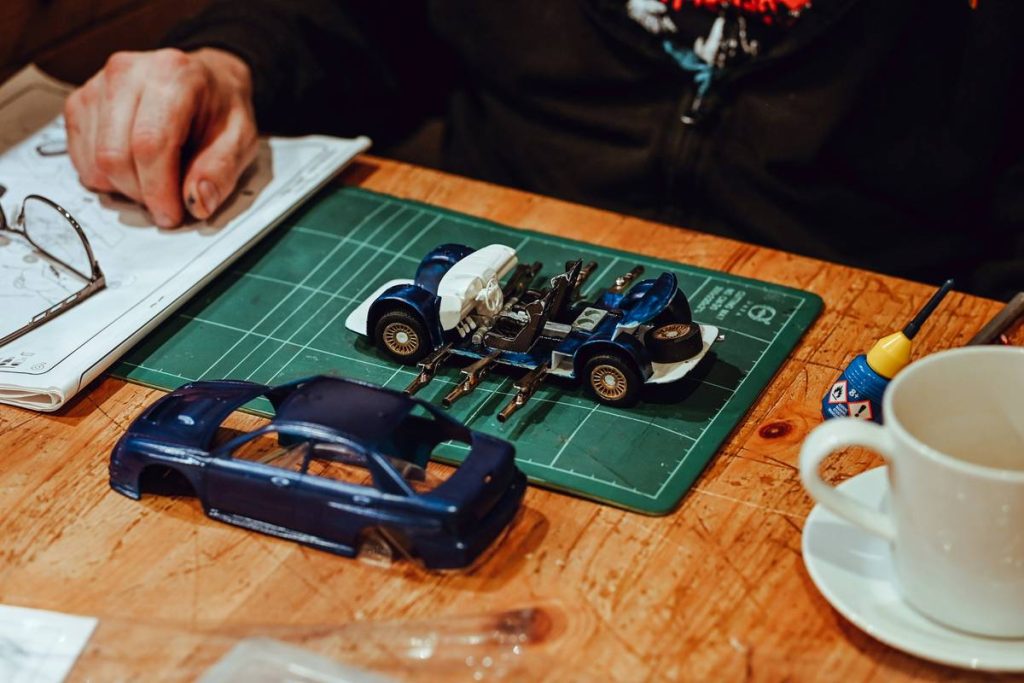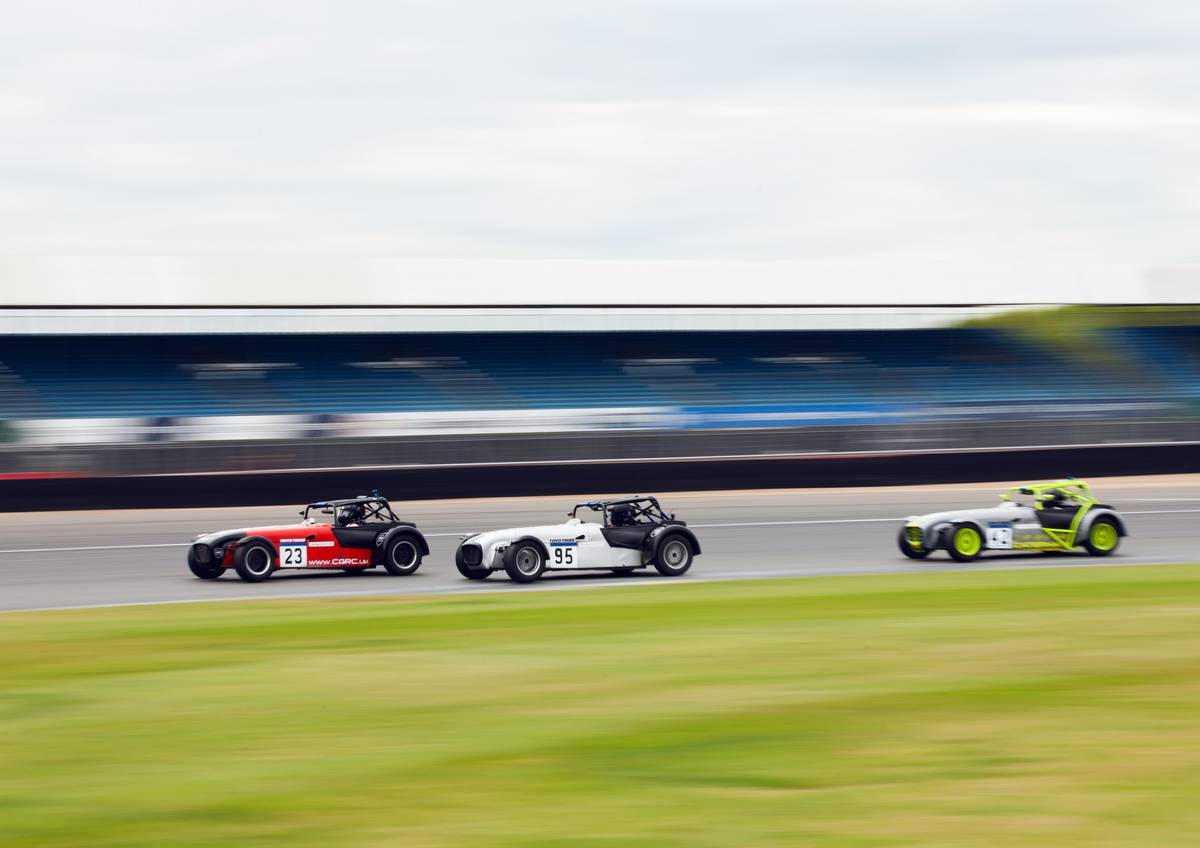
Slot car racing used to be your grandfather’s dusty basement hobby—until now. Today, poorly designed electric slot car race track setups frustrate even seasoned racers: erratic power delivery, flimsy curves, and zero room for tuning. But what if you could engineer a layout that delivers buttery-smooth laps, real-time lap timing, and competitive thrills rivaling digital simulators? You can—and it starts with ditching outdated assumptions.
Why Most electric slot car race track Setups Fail Within Weeks
Manufacturers sell “ready-to-race” kits like they’re foolproof. They’re not. The problem isn’t the cars—it’s the track geometry and power distribution. Cheap plastic joints warp under heat. Narrow lane spacing causes constant de-slotting. And let’s be honest: those bundled controllers feel like steering a shopping cart with oven mitts.
And the biggest oversight? Track surface flatness. Even a 1mm dip over 6 feet creates enough drag to kill momentum through corners. Your lap times suffer—not because you’re slow, but because physics is working against you.
How to Build a Pro-Grade Slot Car Circuit (Without Burning Cash)
Forget cookie-cutter layouts. Real performance comes from intentional design. Here’s how the pros do it:
Select Your Scale & Power System First
1:32 scale dominates serious racing—it balances detail, speed, and space efficiency. Use variable-voltage DC systems (not PWM) for smoother throttle response. Yes, it costs more upfront. But your wrists (and lap consistency) will thank you.
Map Your Layout With Physics in Mind
Avoid symmetrical ovals. They look neat but create monotonous racing lines. Instead, mix high-speed sweepers with tight technical chicanes. Why? Because grip dynamics shift dramatically between straightaways and corners—and that’s where skill separates winners from spectators.

Assemble With Surgical Precision
Tape joints? No. Use silicone adhesive at every connection point. Clamp sections under uniform pressure until cured. Then sand seams flush—not “close enough.” Millimeter-level alignment prevents those infuriating mid-corner stalls nobody admits to causing.
Tune Like a Pit Crew
True speed lives in the details: gear ratios, tire compounds, magnet strength. Run test laps at 30%, 60%, and 90% voltage. Log which settings hold traction through Turn 3 without fishtailing. Adjust incrementally. Perfection isn’t built—it’s refined.
| Track Type | Initial Cost | Lap Consistency | Upgrade Path |
|---|---|---|---|
| Toy-Grade Plastic (e.g., starter sets) | $50–$120 | Poor — frequent de-slots | None — proprietary parts lock you in |
| Modular Aluminum (prosumer) | $300–$800 | Good — stable power rails | Medium — compatible with 3rd-party controllers & sensors |
| Custom CNC Wood/Plastic Hybrid | $600+ | Excellent — laser-cut precision | High — integrates lap timers, telemetry, lighting |
The Industry Secret: It’s Not About Speed—It’s About Predictability
Here’s what manufacturers won’t tell you: faster cars don’t make better racing. Predictable handling does. Top-tier home tracks prioritize consistent electrical contact over peak velocity. How? By embedding copper bus bars beneath the surface—not just relying on thin rail strips. This reduces resistance spikes by up to 40%, eliminating the “surge-and-stall” effect that ruins close finishes.
Think about it. In real motorsport, drivers brake later because they trust their tires. In slot racing, you push harder into corners only when you trust your lane won’t drop power mid-turn. That’s the hidden metric: confidence per centimeter of track. Build for that—and you’ve built something addictive.
Frequently Asked Questions
What’s the minimum space needed for a competitive electric slot car race track?
A functional 1:32 oval needs 8ft x 4ft. But for serious racing with elevation changes and chicanes, aim for 12ft x 6ft minimum. Wall-mounted returns save floor space without sacrificing flow.
Can I run multiple cars on one electric slot car race track without interference?
Yes—if your power supply delivers clean, isolated channels per lane. Cheap transformers share circuits; pro units use dual-wound outputs. Always match controller amperage to car draw to avoid brownouts during simultaneous acceleration.
Are digital slot systems worth the extra cost?
Only if you want lane changing. Analog tracks offer superior throttle linearity and lower latency. Digital adds complexity for marginal entertainment value—unless you’re hosting multi-car overtaking demos.